Hearing Aids and Products
If a hearing aid or device is necessary for your hearing journey, our experts will guide you to the best solution. We offer the latest hearing technology and products that address a wide variety of hearing loss concerns, helping you reconnect to the world around you.
Hearing Aid Manufacturers
Hearing Products Created by the Best in the Industry
When it comes to hearing loss, you need a device you can rely on to perform its best. That’s why we carry products from manufacturers with a proven track record of exceptional quality. No matter your budget, lifestyle or type of hearing loss, we have a product to meet your needs.

Oticon Hearing Products
Oticon has an answer for your hearing loss. Small, Opn devices and BrainHearing Technology make it easier than ever to wear hearing aids.
View All Products
Phonak Hearing Products
Phonak simplifies hearing aids. Bluetooth technology allows you to stream audio directly to your hearing aids. See what Phonak has to offer.
View All Products
Signia Hearing Products
Hear sound as nature intended it with Signia/Siemens products. Solutions for every lifestyle and hearing needs.
View All Products
Starkey Hearing Aids
Starkey offers sophisticated technology such as Artificial Intelligence to monitor body and brain health and apps that connect to your Android and Apple devices.
View All Products
Widex Hearing Aids
Widex hearing aids sound as close to perfect as possible. Machine learning provides technology that gets better the more you use it. Every day sounds better with Widex.
View All ProductsHearing Technology
Modern Solutions For All Types of Hearing Loss
Thanks to advances in technology, hearing products are designed to be more compatible with our lives than ever before. In addition to hearing aids, there are a number of products that make living and communicating with hearing loss easier to manage, so you never miss a beat.
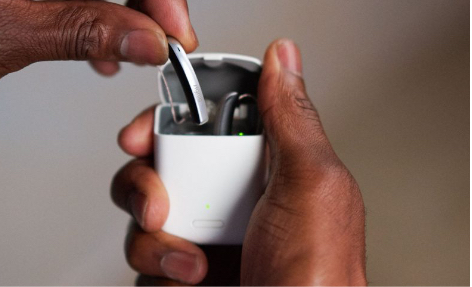
Occasionally hearing aids don't address every situation. For those times, unique additions can be helpful. TV listening devices, amplified or captioned telephones or remote microphones could enhance and personalize your communication requirements.
More on Assistive Listening DevicesDevelopers of hearing aids are always looking for new and improved ways of making hearing aids better and more useful in people's lives. Bluetooth technology is being used to make it easier for hearing aid users to connect their hearing aids to various devices for improved sound quality directly from the sound source.
More on ConnectivityBedside maskers can be used for masking and relaxation. They are about the size of a bedside radio and produce various sounds like rainfall, waterfall or ocean surf. They can be used with either headphones or “pillow speakers”.
More on Environmental Maskers/Bedside & Pillow MaskersAlthough the FCC now requires that hearing aid compatible (HAC) cell phones meet strict guidelines for quality, some hearing aid users wish to further improve their cell phone experience. Add-on devices and cell phone accessories can make cell phones even more compatible with hearing aids. Many cell phones can be used with hearing aid telecoils. Hearing aid accessories that provide a hands-free option may also be helpful.
More on Hearing Aid AccessoriesEstimated life expectancy per battery Size 10 (yellow): 70-100 hours (3-5 days) Size 13 (orange): 200-220 hours (10-14 days) Size 312 (brown): 120-130 hours (7-10 days) Size 675 (blue): 250-300 hours (13-15 days) New battery insertion instructions Remove the tab from the battery. Next, let the battery sit for 3-5 minutes before putting it into…
More on Hearing Aid BatteriesHearing aids come in a variety of styles. The style you wear depends on your level of hearing loss, need for specific features, cosmetic desires and budget. You’ll pick from a full range of devices at O’Connor Hearing Center.
More on Hearing Aid StylesOticon Tinnitus Solutions Oticon-Take control with Tinnitus SoundSupport™ https://www.oticon.com/solutions/other-devices/tinnitus Oticon hearing aids with Tinnitus SoundSupport help you take control of your tinnitus by playing a wide range of relief sounds like white noise and soothing ocean-like sounds. You can discreetly control the sounds in your hearing aids using the Oticon ON App for iPhone and Android.…
More on Hearing Aids With Special Tinnitus Masking ProgramsHearing Protection
Make Protection a Priority
Protecting your ears from noise damage is essential to healthy hearing. We carry a wide variety of options equipped with the latest features and customizations, so you can find the best fit for your lifestyle.
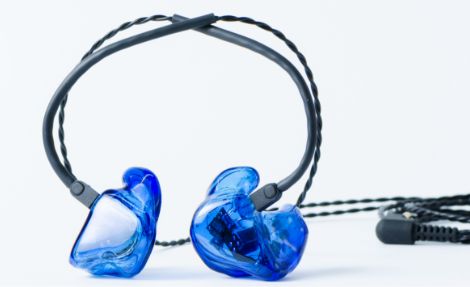
We provide hearing protection to protect your hearing and prevent hearing loss for swimmers, hunters and musicians and much more.
More on Hearing Protection & Ear Plugs